Green coffee
Green coffee before the roast
How an unroasted lot is assessed, what screen size and defect count describe, and why two lots from the same origin are not the same product.
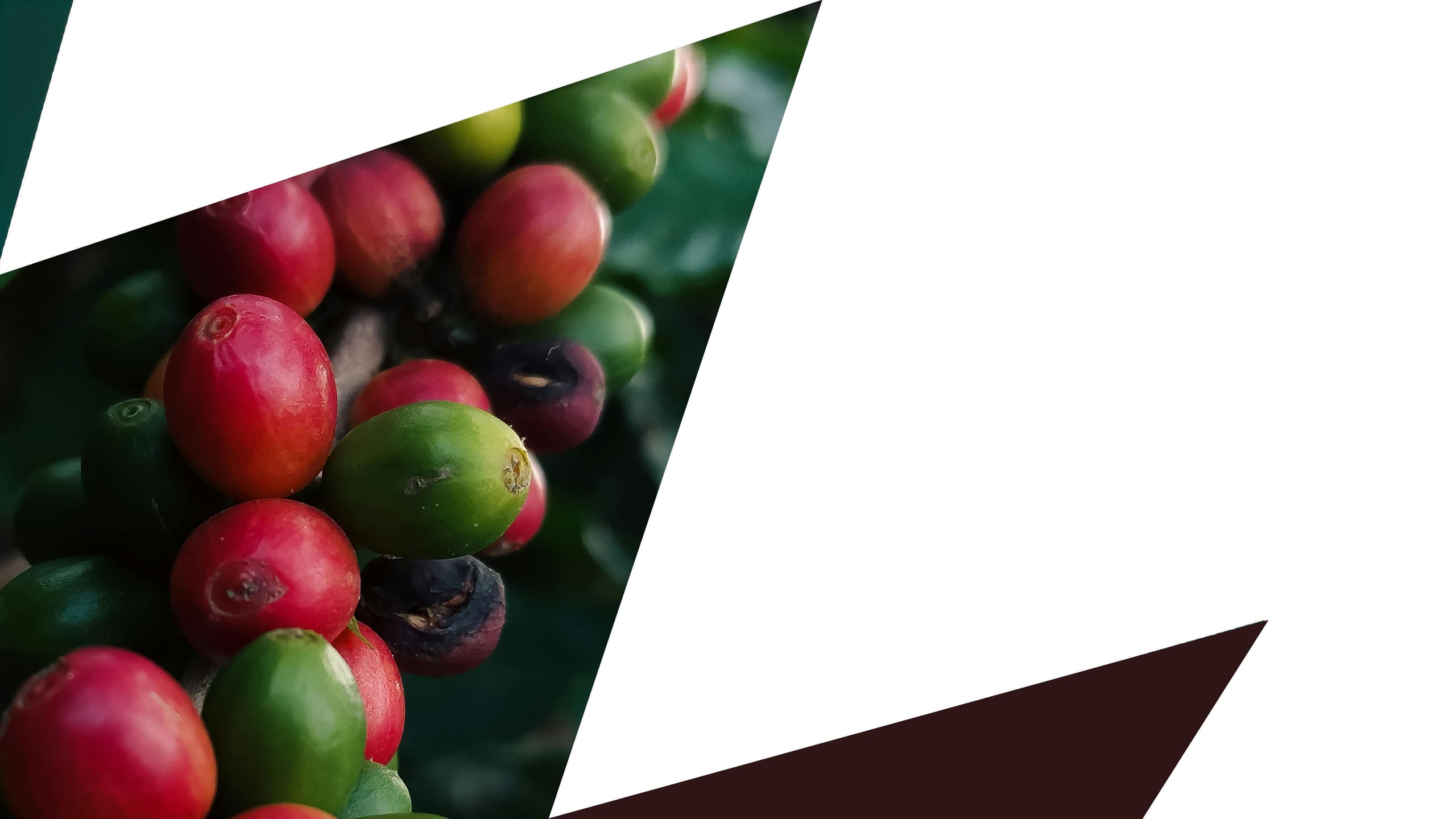
Green coffee before the roast
01
Species, origin and process
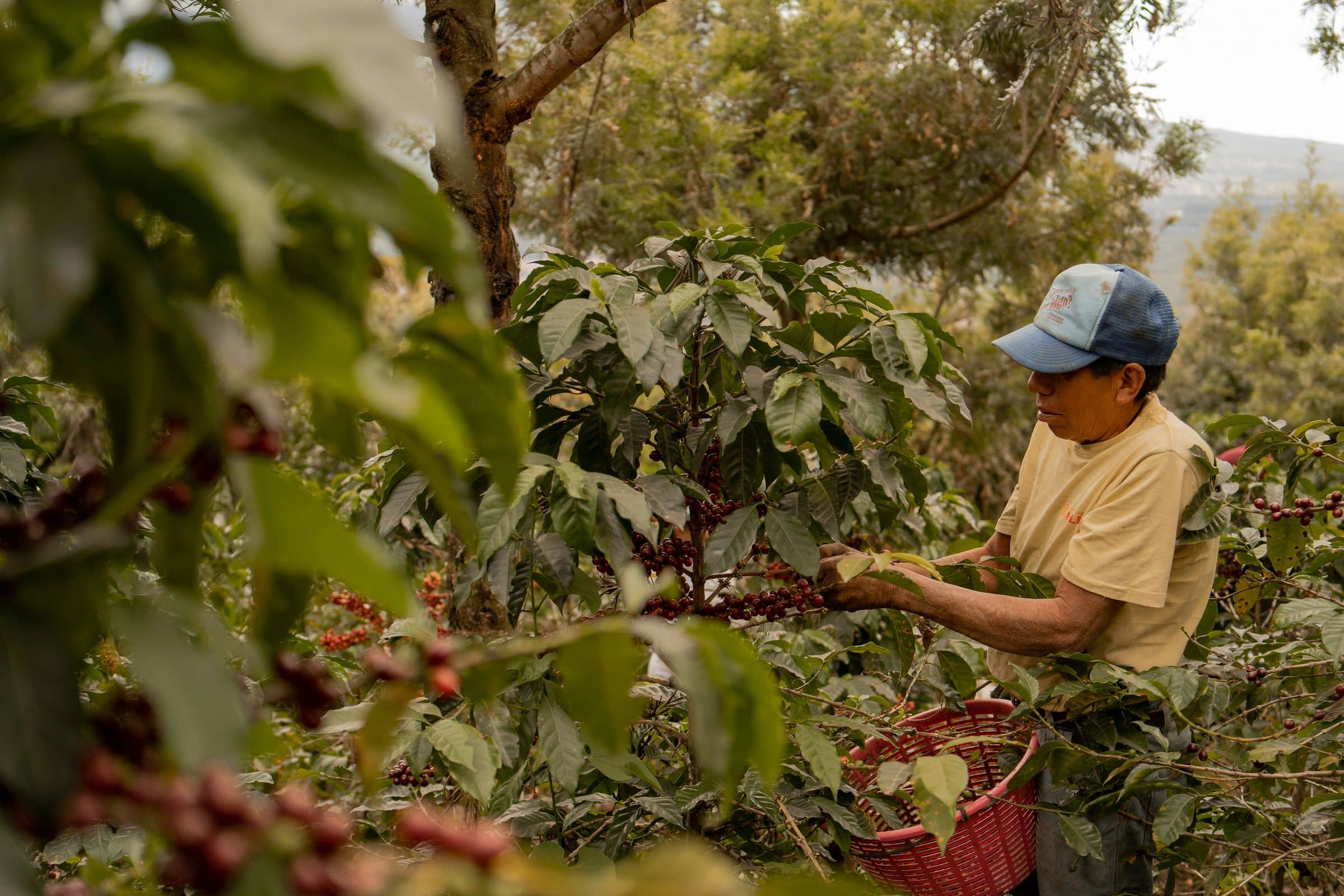
Green coffee is the raw, unroasted bean. The first distinction is the species: arabica and robusta differ in flavour, caffeine content, growing altitude and price, and they are traded as separate products. Within each species, the origin and the way the cherry was processed shape the lot. Washed coffee has the fruit removed before drying, natural coffee is dried inside the whole cherry, and honey or pulped-natural processes sit between the two. The same farm can produce noticeably different coffees through processing alone.
02
Screen size
Beans are graded by size on perforated screens. Screen numbers count in sixty-fourths of an inch, so a screen 18 has holes 18/64 of an inch, about 7.1 mm, across. A lot described as "screen 16 and up" is mostly retained on a 16 screen. Size matters because evenly sized beans roast evenly. A lot with a wide spread of sizes roasts to a mix of colours in the same batch.
03
Defects and moisture
A defect count is taken from a fixed sample, commonly 300 or 350 grams depending on the grading system, by counting black, sour, broken and insect-damaged beans along with stones, sticks and other foreign matter. Each defect carries a weight, and the total places the lot in a grade. Many producing countries publish their own grade names, so a grade name only means something together with the system it belongs to. Moisture is measured as well. Green coffee is usually expected to sit between roughly 10% and 12.5%. Wetter than that it risks mould in transit; drier, it loses quality and roasts unevenly.
04
Why two lots are not one product
Two lots from the same country can differ in species, altitude, process, crop year, screen size and defect count, and each of those changes what ends up in the cup. A country name on its own describes very little. That is why green coffee is bought against a sample. The sample is roasted and cupped, and the lot that ships should match the sample that was approved. A contract that ties the shipment to an approved sample, and states the screen size, defect allowance and moisture, gives both sides something they can check.
Request a quotation
Enter the product, required quantity and destination in the form so your enquiry can be reviewed.